Featured Media
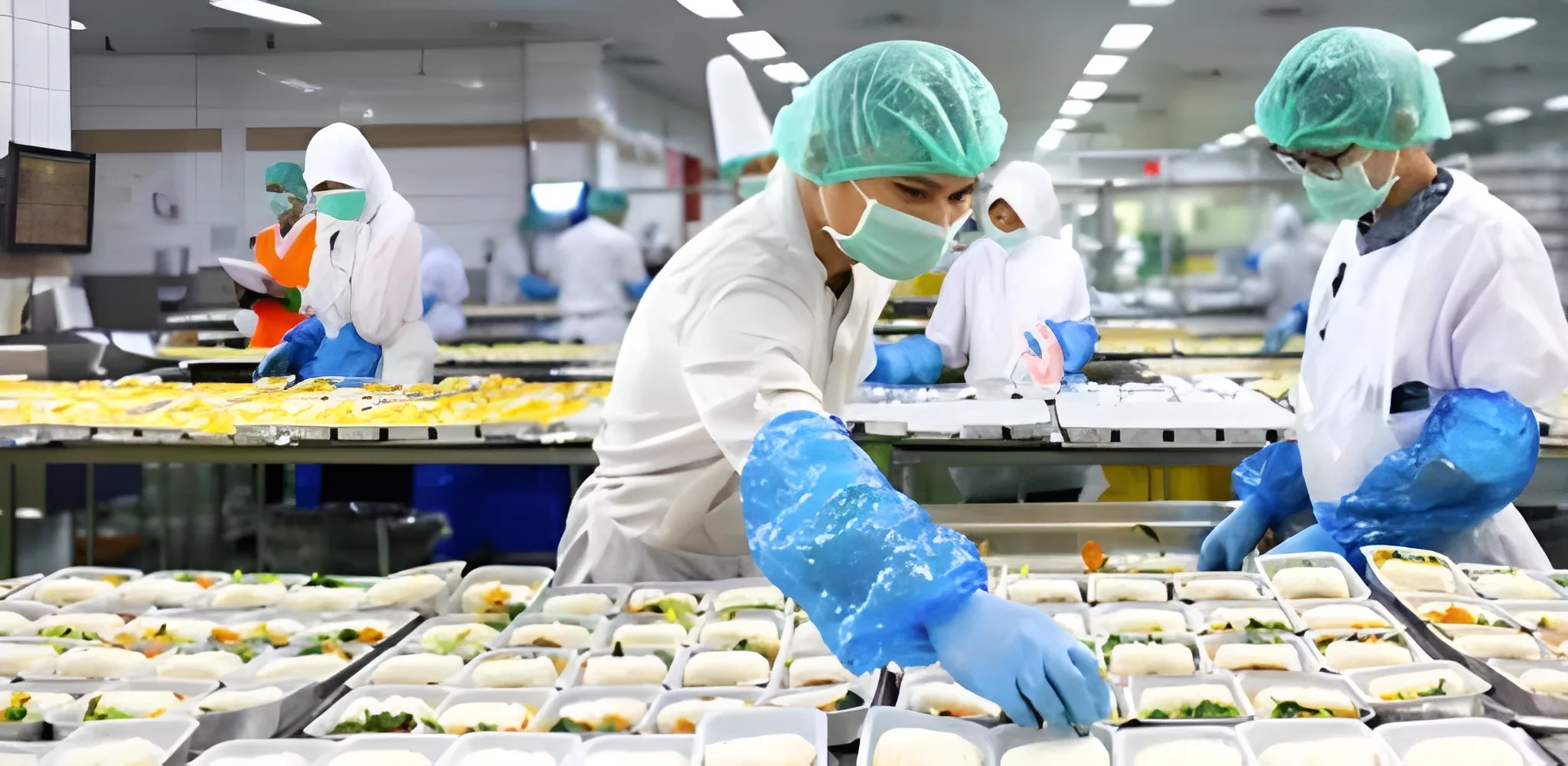
The Specified Skilled Worker (SSW) Food and Beverage Manufacturing Visa allows foreign workers to work in Japanese food production and processing industry, addressing labour shortages in this sector.
Below are the details :
Age Requirement
- Applicants must generally be between 18 and 40 years old to qualify for the visa.
Skills and Qualifications
- SSW Food and Beverages Skill Evaluation Test
- Japanese Language Proficiency Test (JLPT) N4 or higher, or Japan Foundation Test for Basic Japanese (JFT-Basic).
- Basic communication skills are required to interact with colleagues and understand instructions.
- While prior experience is not mandatory, it is highly advantageous.
- Applicants who have completed Japanese Technical Intern Training Program (TITP) in Food and Beverages Manufacturing Industry may have their skills recognised, simplifying the visa process.
Health and Fitness
- Applicants must be in good physical and mental health to handle the physically demanding tasks involved in work.
Benefits
- Employment Opportunities – This visa allows skilled workers to gain stable employment in Japan’s food and beverage manufacturing industry with recognised companies.
- Skill Development – Workers can improve their technical knowledge and gain valuable hands-on experience by working in advanced Japanese manufacturing environments.
- Fair Wages – SSW visa holders receive salaries and employment benefits that are generally equal to those of Japanese workers performing similar duties.
- Pathway to Long-Term Residency – The SSW system provides opportunities for workers to continue their careers in Japan and potentially extend their stay for a longer period depending on the visa category.
- Support Services – Employers assist with housing, cultural orientation, and language training to help workers adapt to life in Japan.
By fulfilling these requirements and understanding the scope of work, applicants can successfully secure the SSW Food and Beverage Manufacturing Industry Visa and contribute to Japanese growing food production and manufacturing sector.
S
Published By
Saku Academic & News Team